
Neurodiversity and focus at work

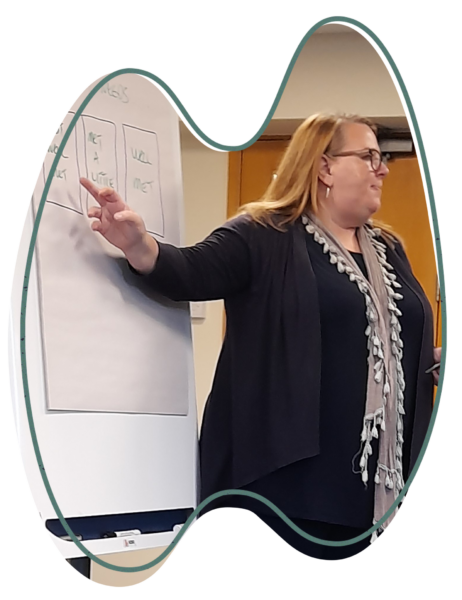
Karys, a trainer for The Mental Health Toolkit, explains techiniques and toolks to regain focus, harness our attention resource, and create space for our interests. Karys has autism, has previously worked as a head teacher, and now works with workplaces through training, and, as a pschotherapist.
What does attention mean for our wellbeing?
Have you ever been told you need to focus more, or that you concentrate too much on one thing? Perhaps you find it hard to begin a task or uncomfortable to stop something you are enjoying.
Attention is one of our emotional needs. It helps us feel connected to others and acts as a resource we use to meet other needs. We direct it towards people, learning, tasks or even memories and future plans.
When we feel in control of our attention we gain a sense of achievement from completing work and managing the pace of modern life.
Neurodivergent people, including those who are autistic or have ADHD, may experience attention differently. I am autistic, and I sometimes find my attention locks onto a task, detail or topic. I can spend hours on a special interest or researching a work theme without realising how much time has passed. A friend with ADHD finds their attention can scatter in unexpected directions. They may feel unable to start what looks like a simple task, such as making a cup of tea.
What can help us manage our attention?
First, we can support our nervous system.
How can breathing and movement help?
7/11 breathing is a useful way to regulate the fight or flight response. Neurodivergent people often manage significant sensory input or navigate unclear social expectations, which can affect calmness and the ability to focus. I used to dismiss breathing techniques because they sounded too simple for complex problems. Once I realised they helped my brain and body feel calmer, I became a convert. A couple of minutes of 7/11 breathing before a task or busy environment helps me feel more in control of where I place my attention.
Add movement
People with ADHD may find 7/11 breathing combined with short bursts of movement helpful when they feel stuck or frozen during a task. Activities involving the hands, such as tapping or knitting, can provide a useful reset.
Find something that supports you to feel calm
Tools such as muscle tension relaxation or mindful movement, including yoga, tai chi or qi gong, can support those who struggle with sitting still. For some, martial arts provide structured movement that supports a calmer state and builds attention skills.
How can we reduce our cognitive load?
Many day-to-day tasks are effortless for neurotypical people because their executive functioning works differently. Reducing the load on working memory can make tasks easier.
Visual prompts can be very effective. A colleague or friend could help create prompts for daily tasks, placed in locations you use regularly. They remove the need to hold steps in your head. I use a whiteboard to timetable my day so I rely less on active memory. Others prefer apps or diaries and may vary the time of day they complete tasks for extra stimulation.
Labelling cupboards and drawers or keeping key items in view can reduce working-memory demands. This also helps people feel organised and in control.
How can timers and alarms support focus?
Timers and alarms can help with starting and stopping tasks. If you know you may become locked into a task, alarms can signal when to step back, eat, rest or switch activity. If stopping abruptly is uncomfortable, a countdown can help you transition gradually out of a focused state.
The Pomodoro techinique for example breaks tasks down to 25 minute blocks with breaks between.
Why do we need to rest our attention?
Everyone needs daily privacy to problem solve, reflect or simply recover from stimulation. This rest replenishes our attention.
Some people benefit from short cycles of focus and rest, such as 25 minutes of attention followed by a five-minute break. Others may not notice they have exhausted their attention until they pause and feel suddenly tired. Timers can help prompt breaks before this happens.
Whether you walk, listen to calming music, enjoy a sensory activity or practise 7/11 breathing, resting your attention allows you to return to work and relationships with more energy.
How can we build these habits over time?
Learning what works best takes practice. Neurodivergent brains often need more time to establish new patterns, so patience is essential. Good days and less good days are normal, yet each provides insight into how we function best.
Asking for help is also part of healthy attention. Humans are social, and trusted colleagues, friends or mentors can help us explore strategies that support our focus.
How can employers support neurodivergent attention at work?
Employers can explore how each employee’s attention resource works best for them. Productivity and creativity increase when people are supported to focus in ways that meet their needs.
Supporting physical and emotional needs benefits everyone, not only neurodivergent employees. You may want to explore resources such as Suffolk Mind’s Mental Health Toolkit to help create an inclusive environment.
Modelling a positive attitude to neurodiversity and offering reasonable adjustments helps meet people’s needs for security and control. In return, you gain a committed and innovative workforce. You may also discover new ways to support your own wellbeing.
How can friends and family offer support?
It can be difficult to watch loved ones navigate daily life, and neurodivergent experiences can be challenging. Supporting your own needs will help you feel more able to support others.
Recognising different attention styles is key. You might help someone build timetables, set up visual reminders or create spaces for privacy or sensory comfort. Joining in with a special interest can also be a meaningful way to exchange attention and strengthen connection.
Understanding that each of us has different needs around attention can relieve the pressure to fix things. Often the most supportive action is to accept someone as they are and explore together the ways each of you can meet your needs.
What next? If your workplace hasn't had The Essentials workshop from The Mental Health Toolkit yet, it's a great place to start. We explore the Emotional Needs and Resources approach, stress, sleep, trauma, depression and anxiety. If you want to dive a bit deeper into stress reduction and management, our Stress Management workshop could be right for you.
Our key workshops and courses



Speak to us today